
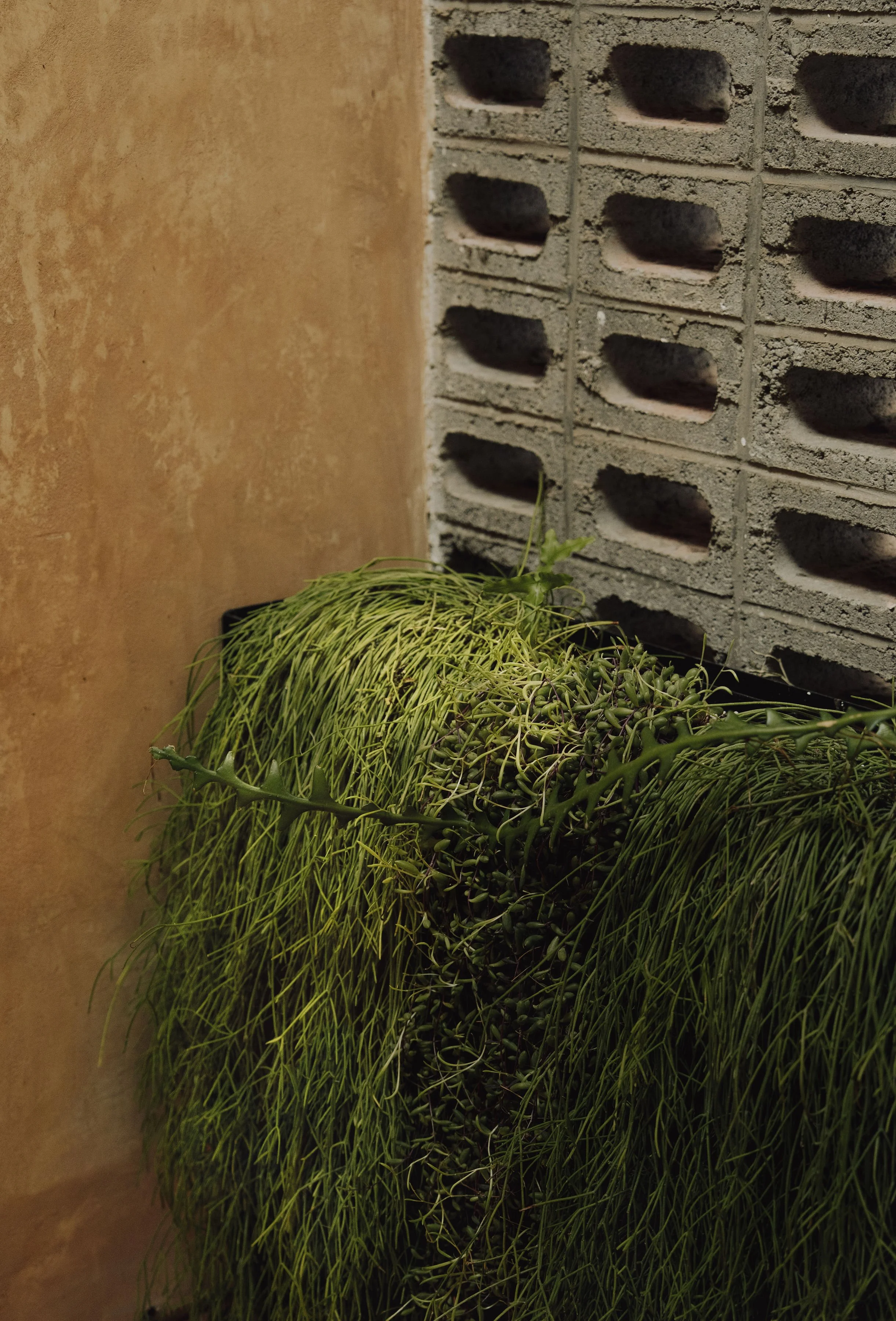

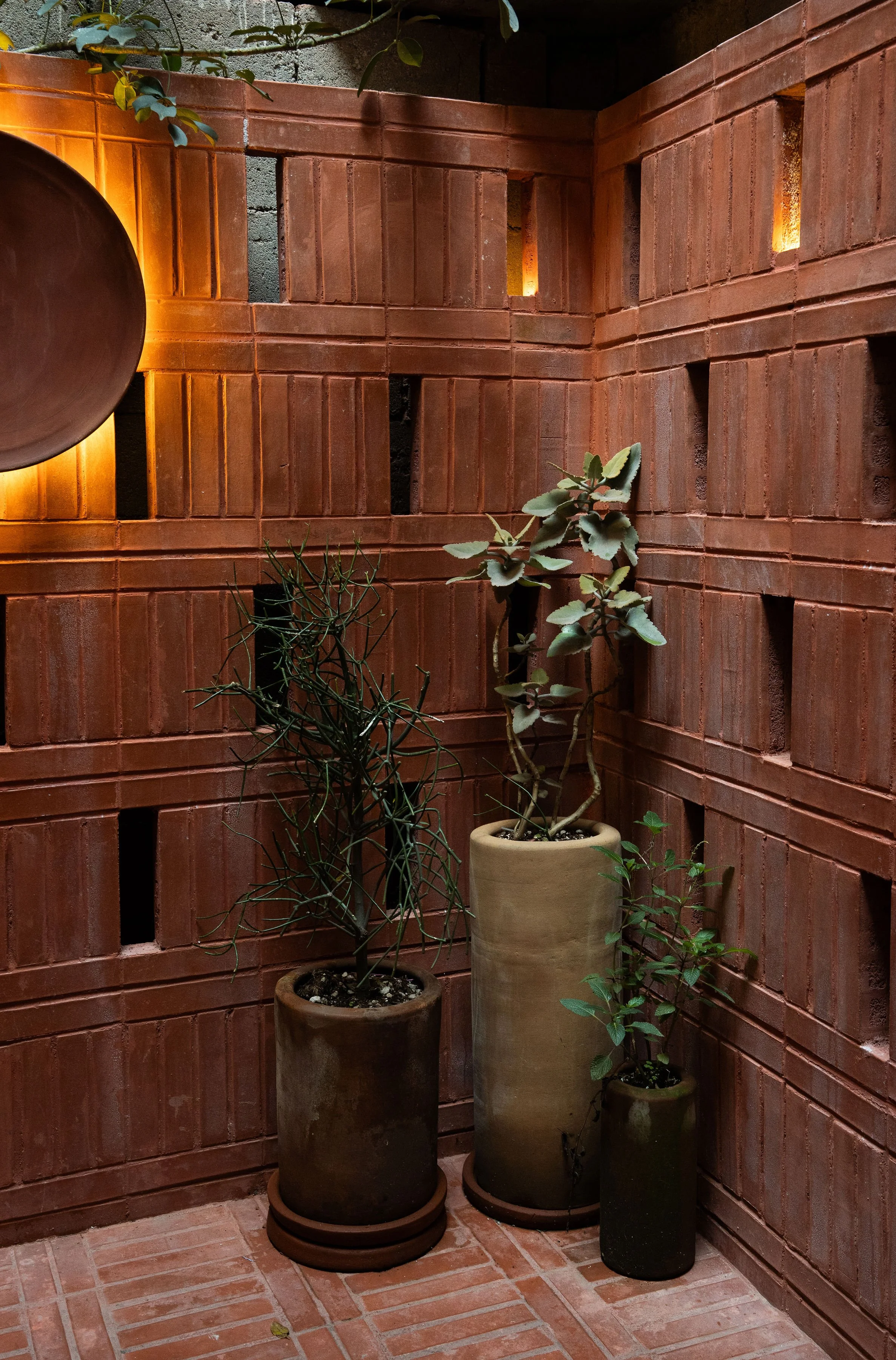


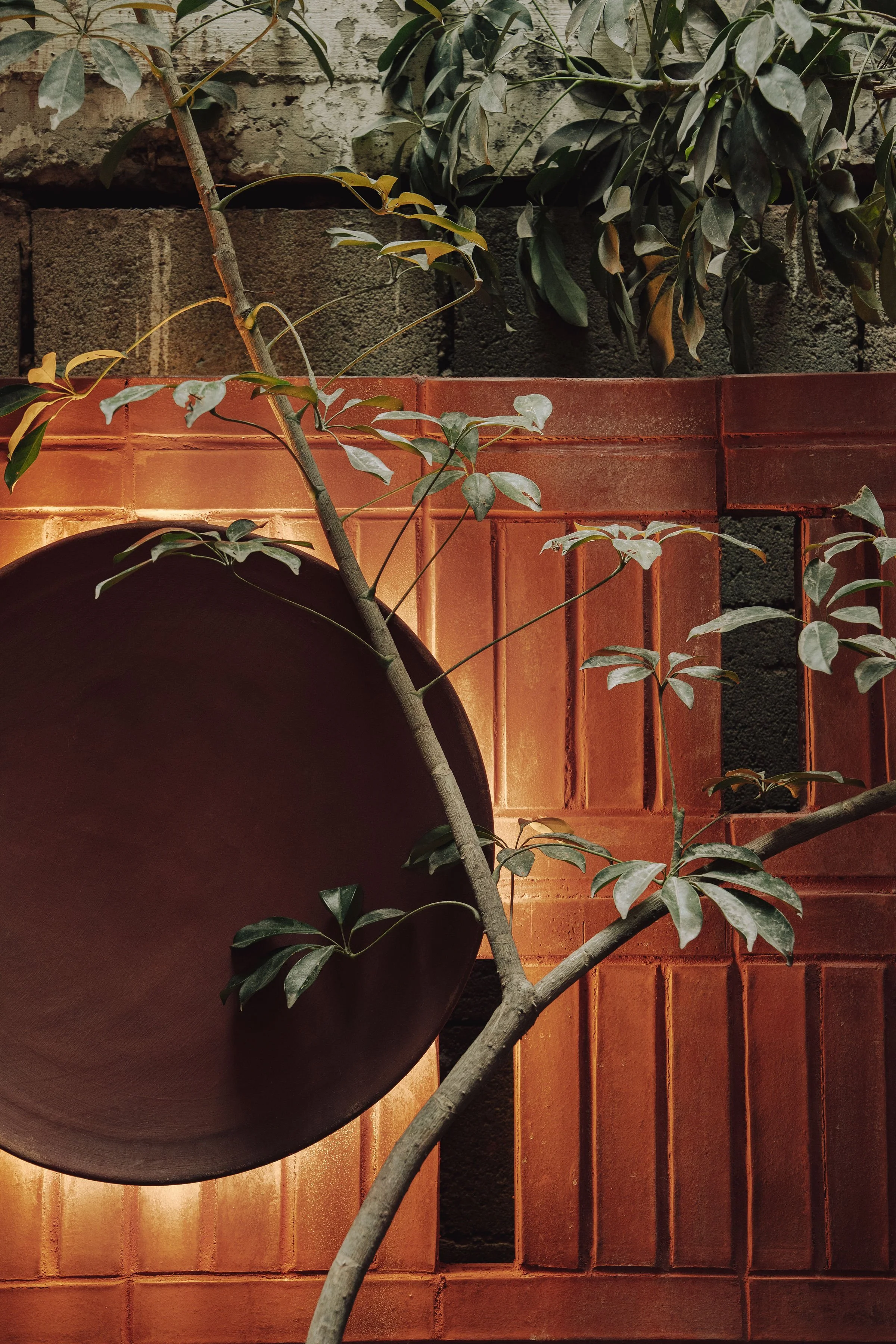

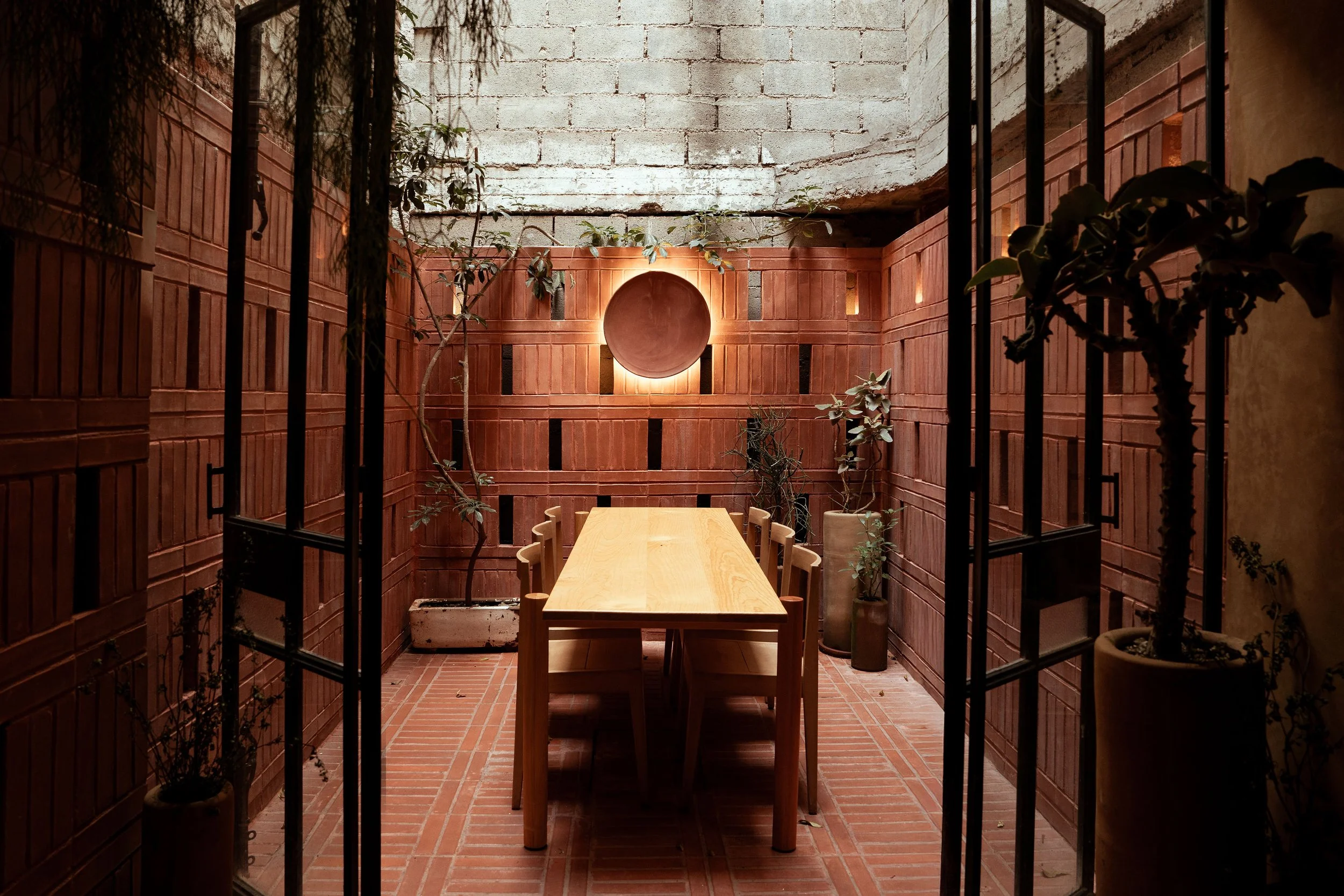
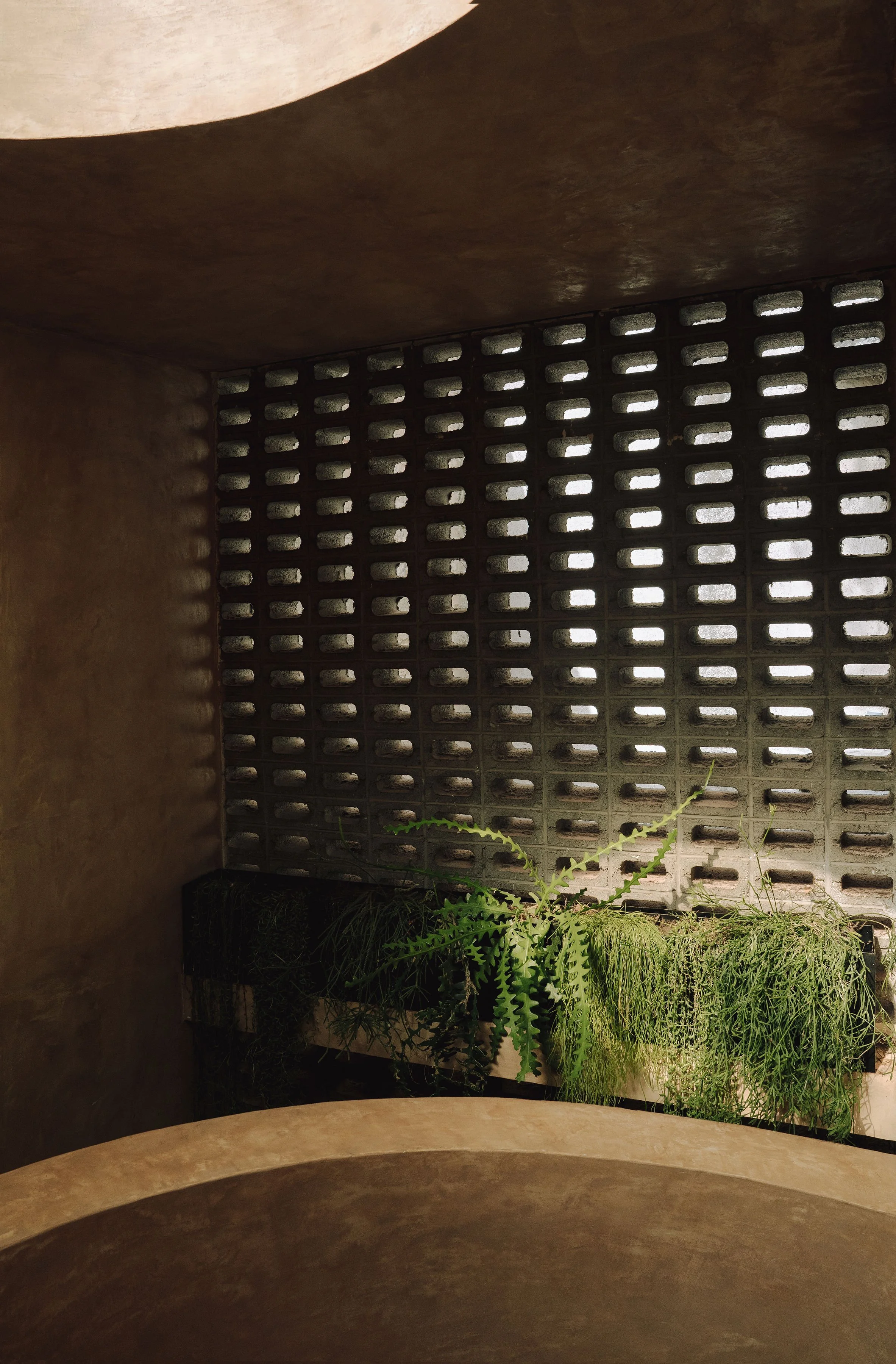

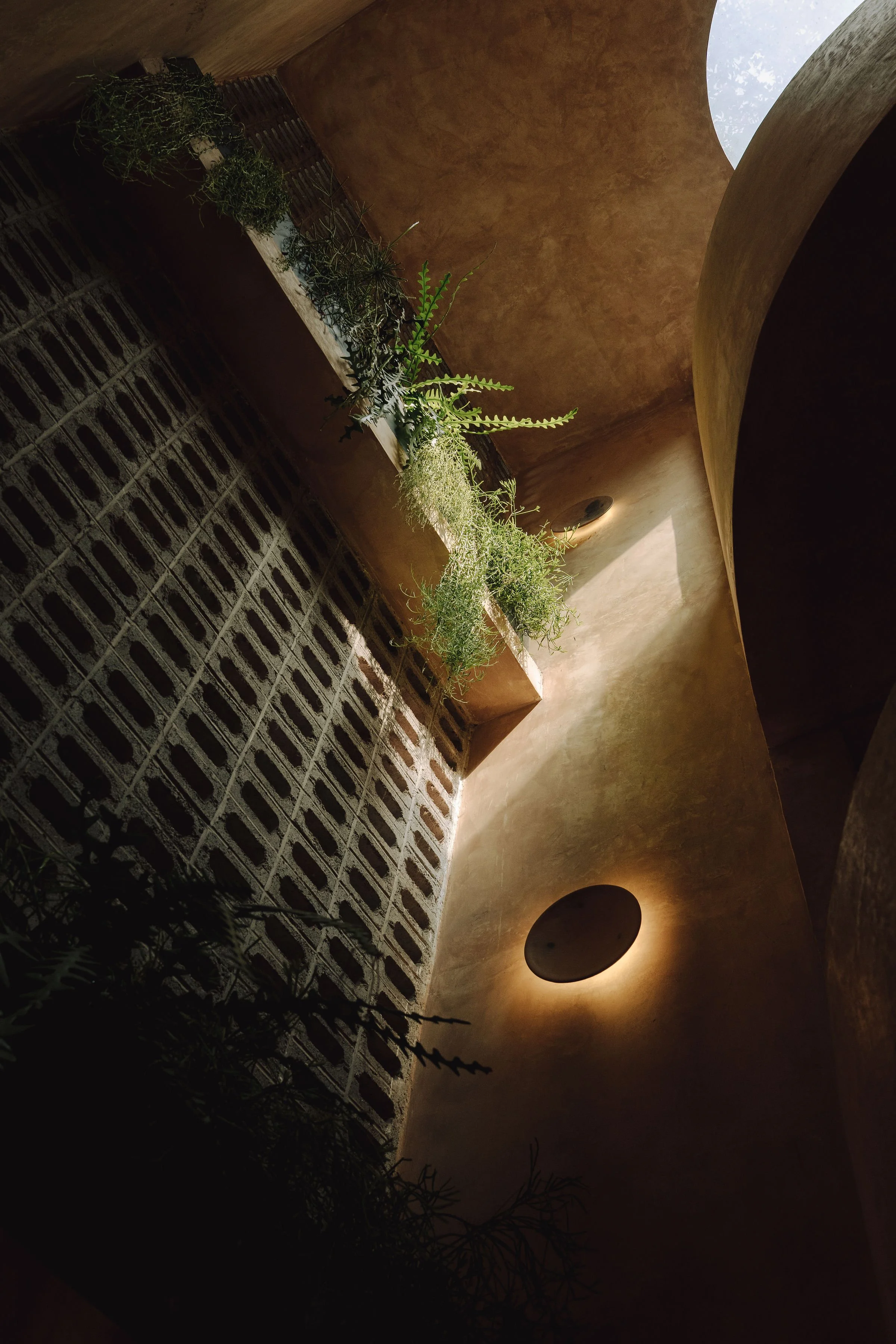

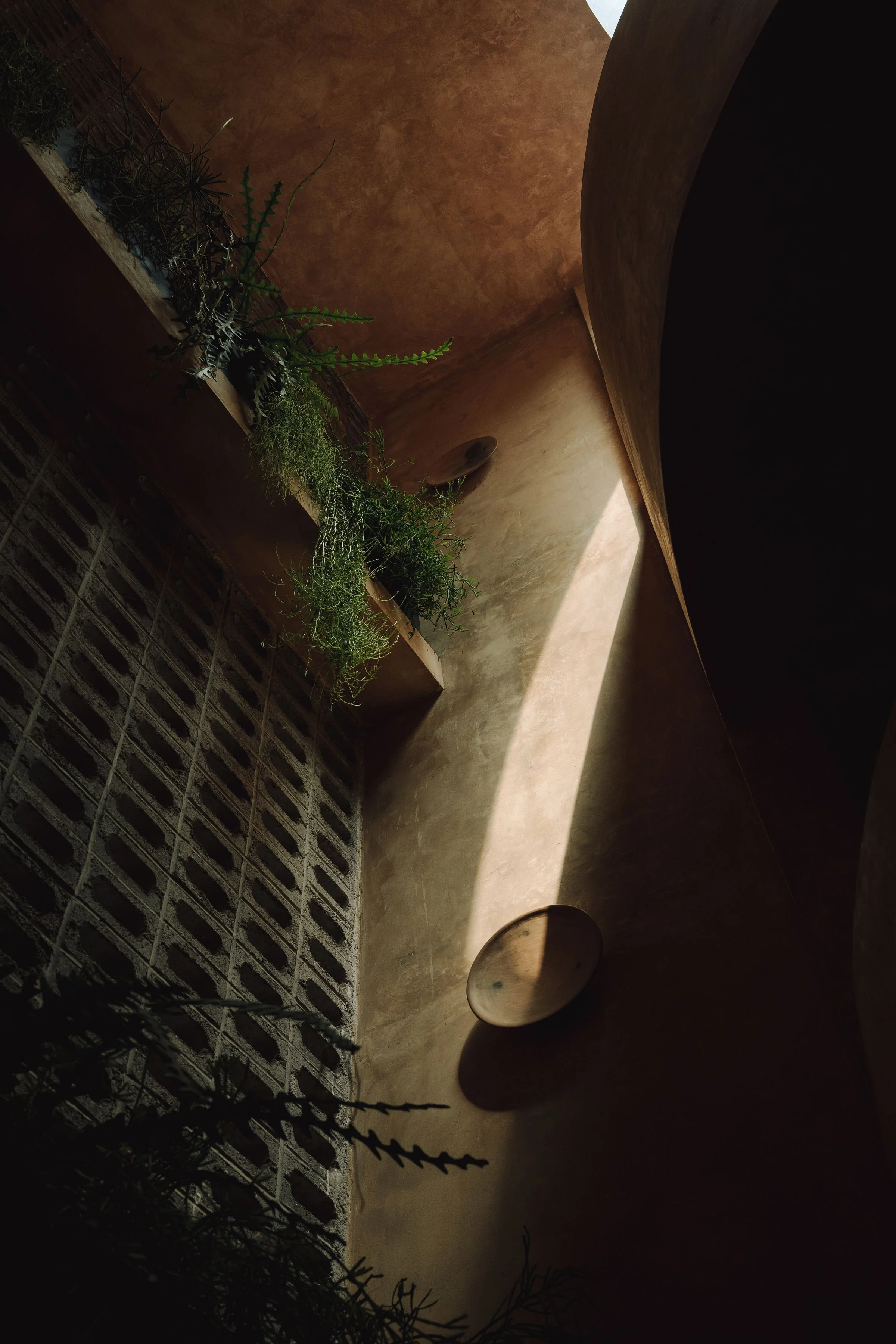

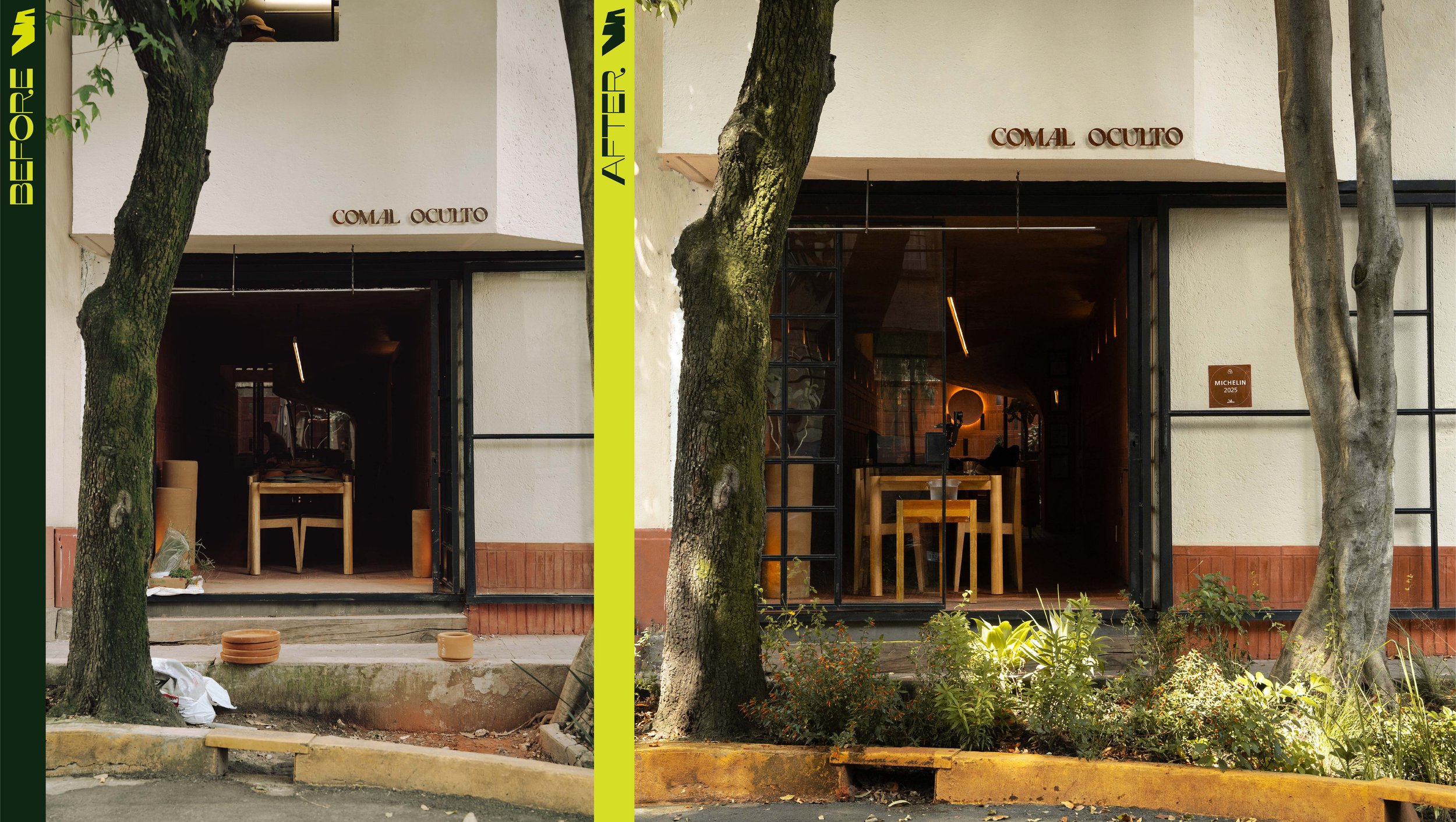

Featured in the Michelin Guide, Comal Oculto is conceived as a landscape of proximity: a living system shaped by heat, ritual, material, and use. Rather than framing the architecture from a distance, the project is inhabited from within, where vegetation enters the sensory and climatic conditions that define the space.
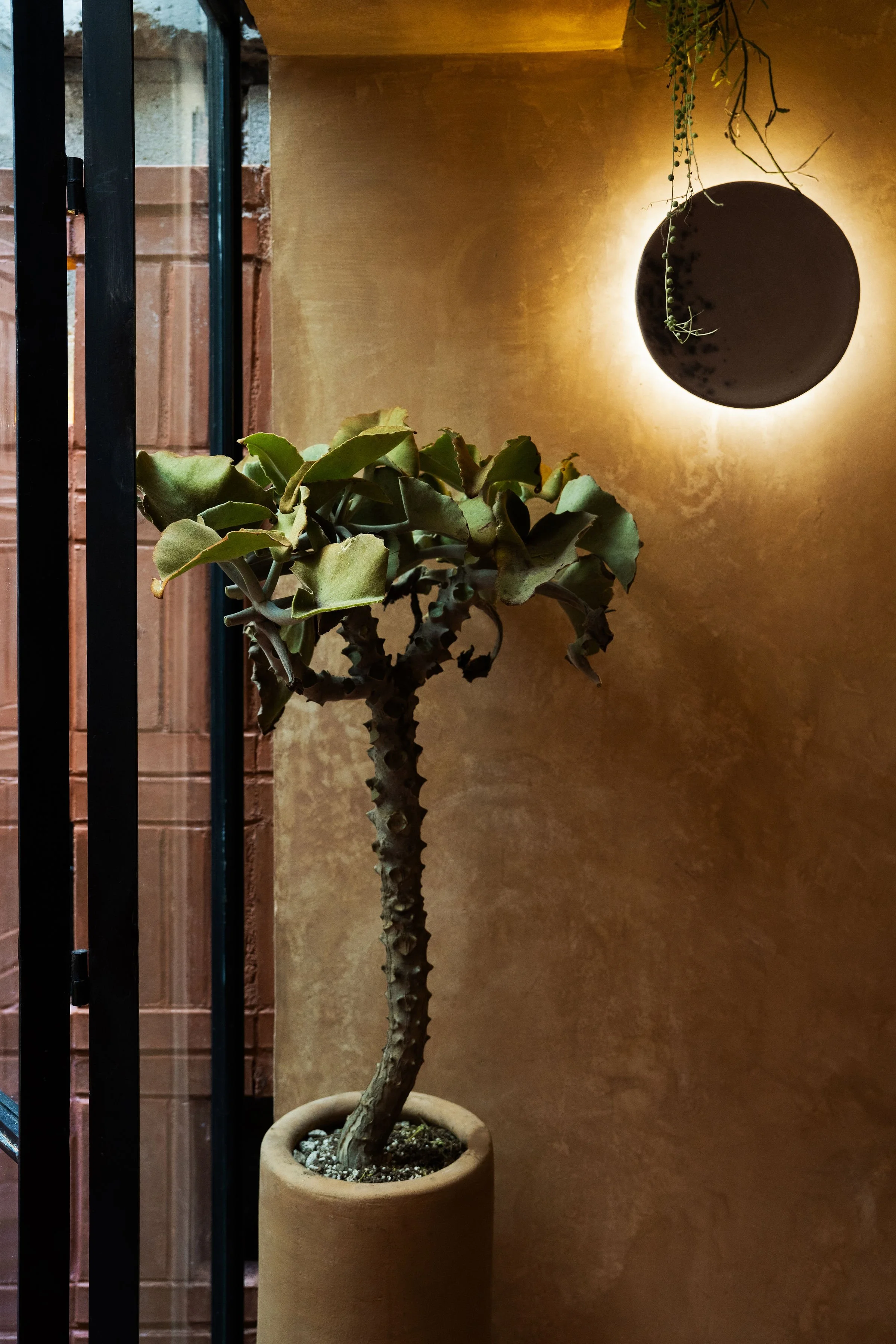
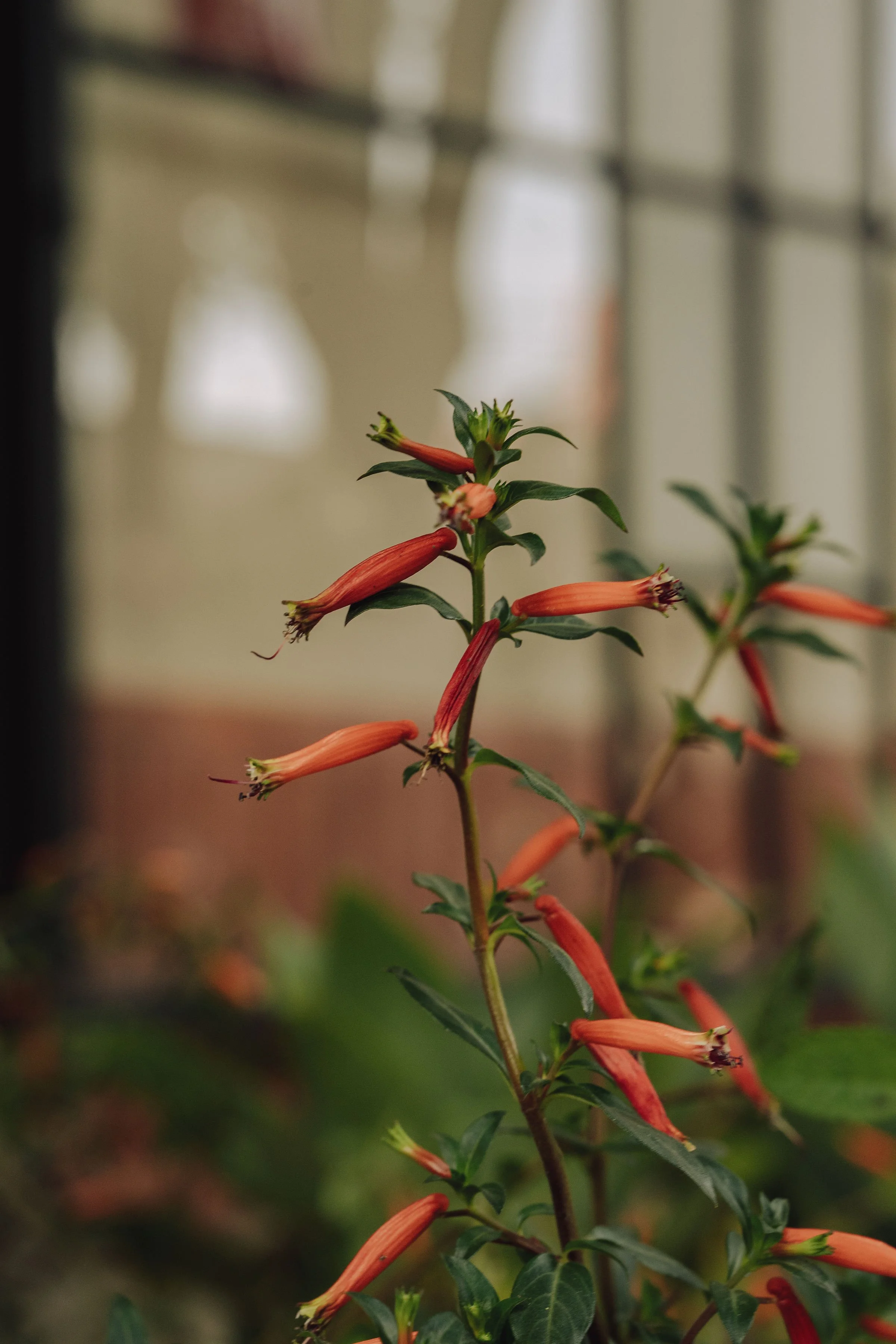
Inside, the landscape unfolds under one of the most demanding environments for plant life: low natural light, enclosed air, and the constant presence of heat from the kitchen. The response is not decorative, but ecological and atmospheric. Plant selection privileges species able to endure warmth, adapt to filtered light, and remain stable over time with minimal maintenance. In this context, vegetation does not operate as embellishment; it works as a quiet counterpoint to fire, smoke, texture, and movement.
The interior planting accompanies the spatial sequence of Comal Oculto with restraint. It softens edges, catches light, and gives density to the air without interrupting the life of the restaurant. The plants occupy the space much like the gestures that sustain it: repetitive, deliberate, almost ritualistic.
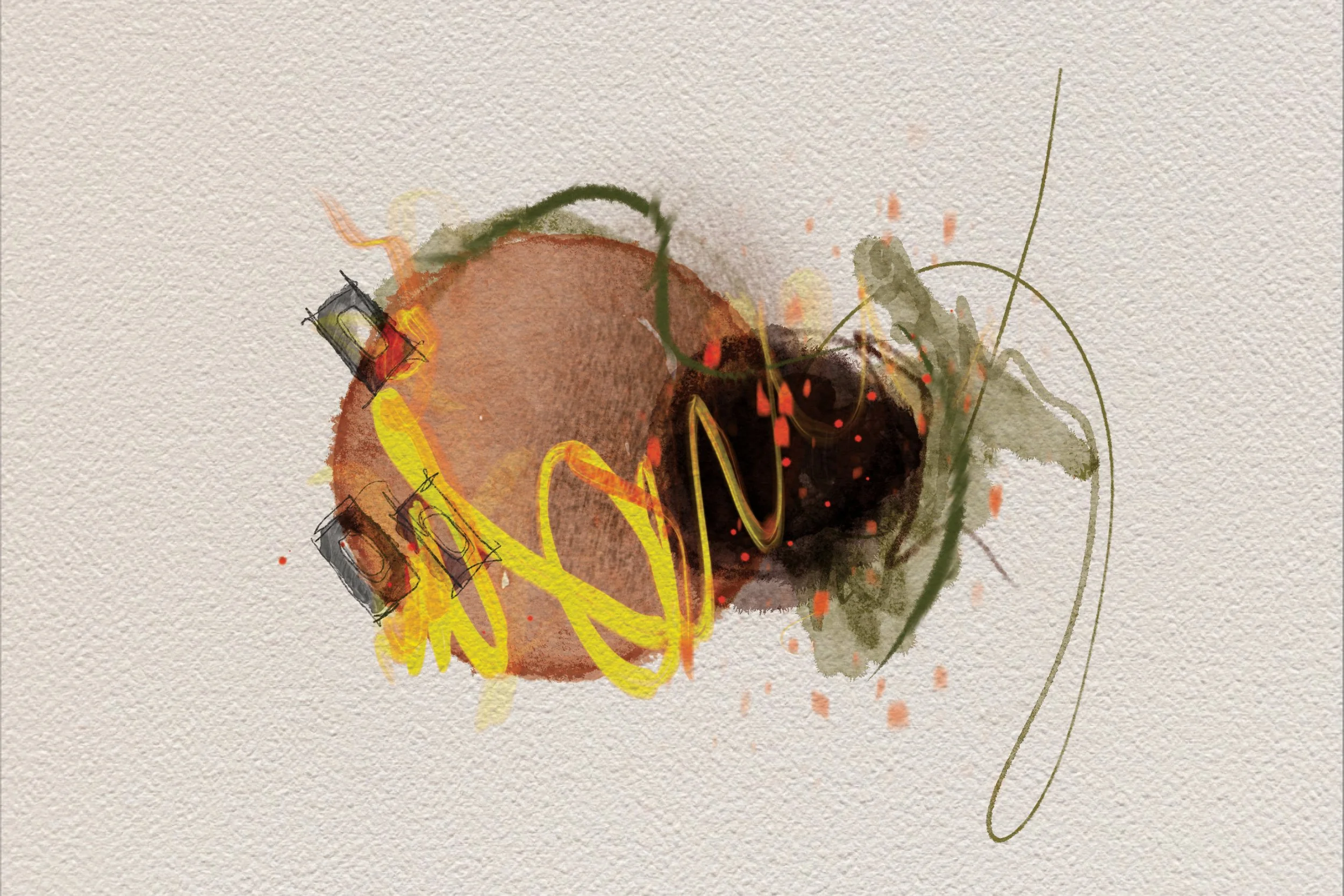
In this sense, the landscape extends the logic of the comal itself — not as image, but as practice. A place where matter is transformed through care, repetition, and heat.
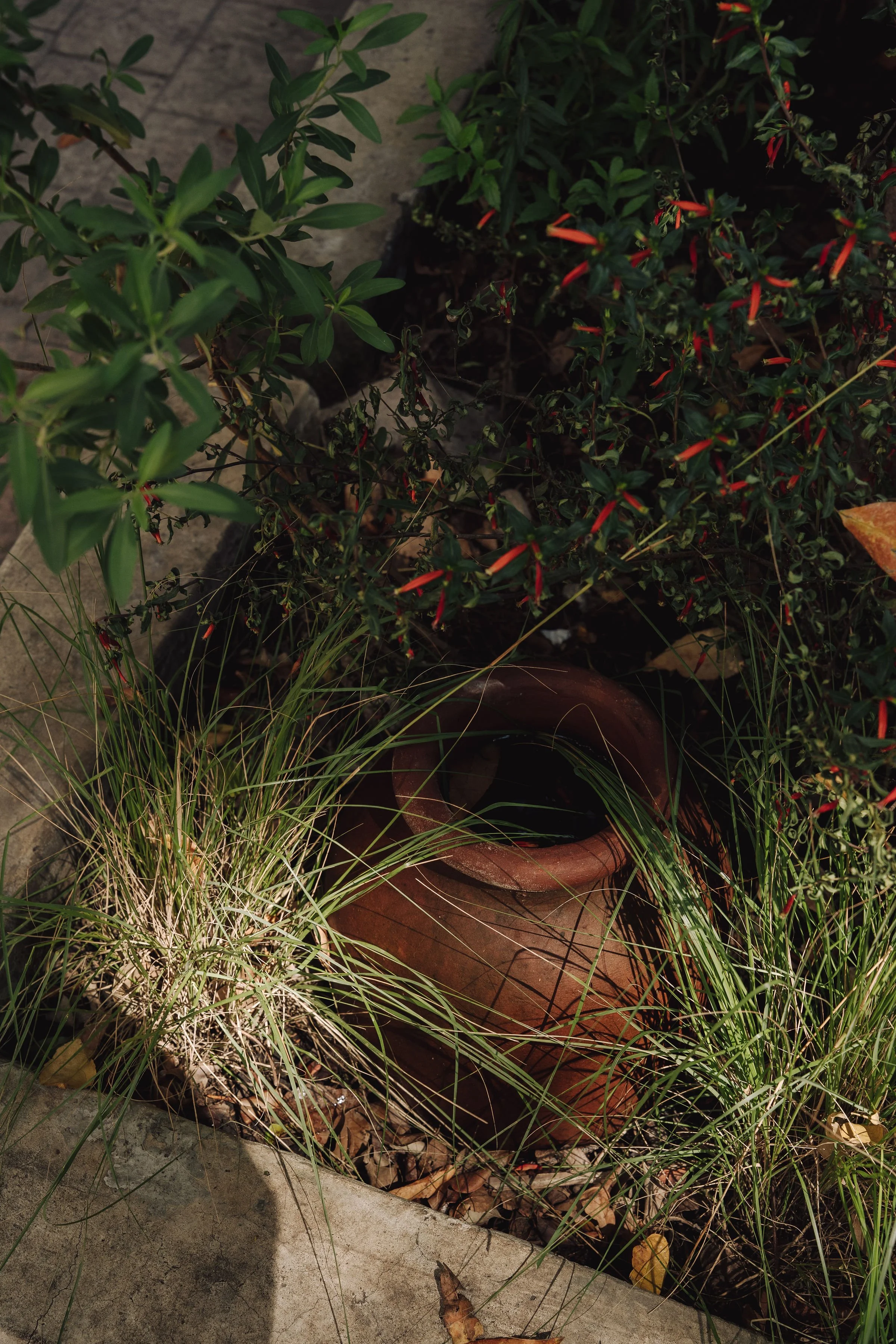
Outside, the project continues through a slower and more hidden register. Because the original comales were themselves made of clay, the use of ancestral clay vessels for irrigation becomes a natural extension of the project’s material and cultural logic. Buried beneath the soil, these porous containers release water gradually, feeding the roots with restraint and precision.
Rather than flooding the surface, the system works through seepage, reducing evaporation, encouraging deeper growth, and aligning the life of the plants with the pace of the climate. In this way, irrigation is not imposed on the landscape; it is offered to it.
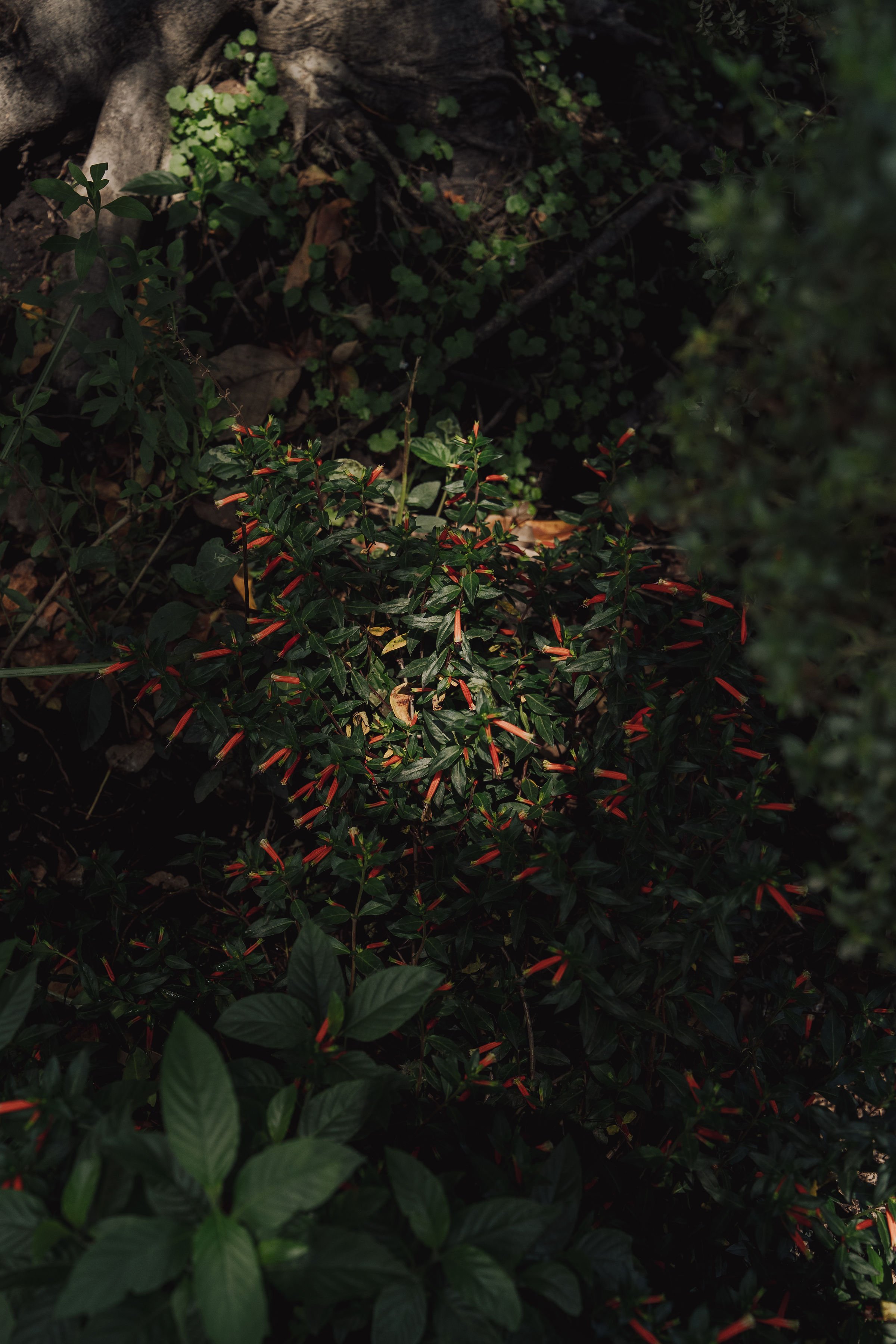
At Comal Oculto, landscape is understood as something that must live with the conditions of the place rather than be protected from them. It moves with heat, shade, dryness, and time. It is not a garden set apart, but one woven into the daily rituals of cooking, care, and hospitality.
What emerges is a landscape grounded in use and memory: one that stays close to the hand, close to the earth, and close to the quiet persistence of life.
Date: November, 2025.
Location: San Miguel Chapultepec, Mexico City, Mexico.
Team: Alfonso Arriaga, Esaú González, Evelyn Colín, Fernando Melchor, Fernanda Jasso, Asahel Hernández, Ismael Cigarroa. Santiago Herrera & Gabriel Guízar.
Architecture: Taller Uno a Uno
Photography: Andrea Dorantes.
Animation / GIF: Haru Figueroa, Fizlayouts
Status: Installed.